Hazardous Areas Blog

Published: . Read Time: 5 mins.

EPL is the acronym for Equipment Protection Level. These are defined in AS/NZS 60079.26:2015 (based on IEC 60079.26 Ed. 3.0 (2014). In essence, an EPL rating indicates the number of protection levels that exist within a device or assembly of devices. …

Published: . Read Time: 2 mins.

The process for a Type B gas appliance to be certified is that the Designer designs the system for the Gas Appliance and ensures that it meets the requirements of the gas codes.   …

Published: . Read Time: 2 mins.

When it comes to Electrical Equipment in Hazardous Areas (EEHA) there are times when we are asked what is “like for like”, this usually occurs when equipment is disconnected or removed from a hazardous area and its being reconnected or energised again. …

Published: . Read Time: 2 mins.

Principle - Parts which might ignite an explosive atmosphere are immersed in oil or other non-flammable, insulating liquid so that gases and vapours above the oil level and outside the enclosure cannot be ignited by electric arcs or sparks generated below the oil level, or by hot residual gases from the switching process or by hot surfaces - e. g. on a resistor. …

Published: . Read Time: 5 mins.

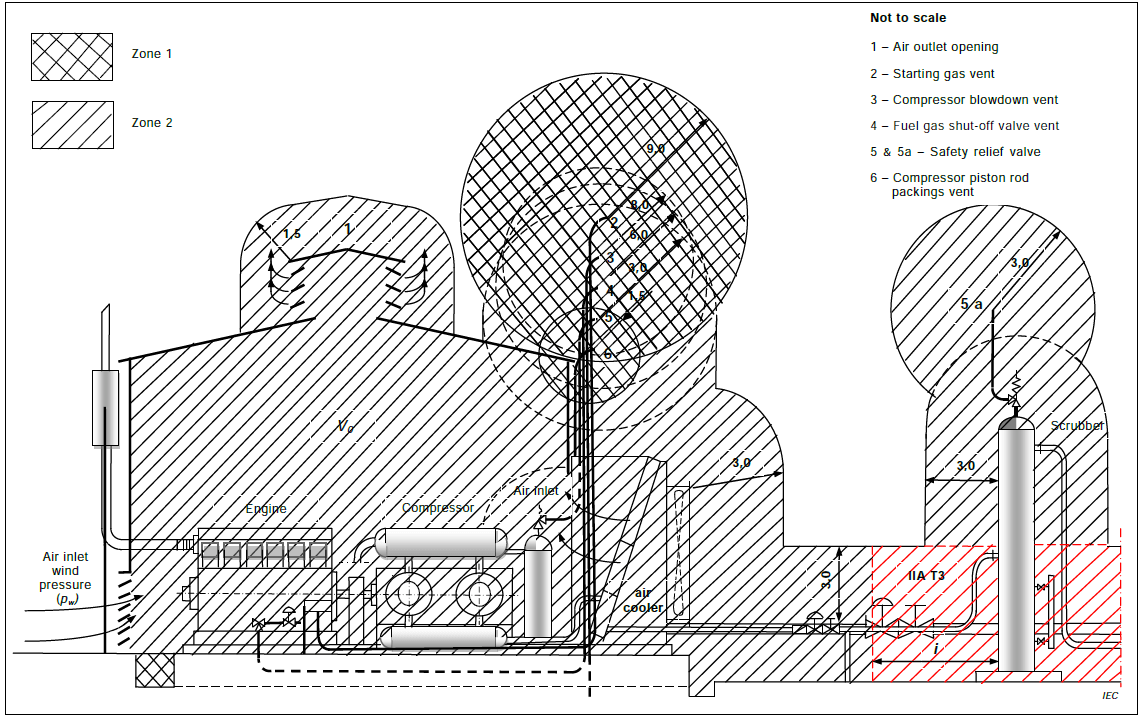
A Hazardous Area, in terms of flammable gases and vapours, is an area where the gas or vapour exists, at a level that is within the Flammable Range.

The best way to manage a Hazardous Area is to not create one in the first place. However, in the real world, this is rarely possible. …

Published: . Read Time: 5 mins.

AS/NZS 60079.25:2011 Annex B describes the analysis and use of parallel intrinsically safe circuits and is entitled: “Assessment of Circuits with more than One Source of Power”. This analysis is only applicable when the power sources considered use a linear resistive limited output. It is not applicable to power sources using other forms of current limitation. …

Published: . Read Time: 2 mins.

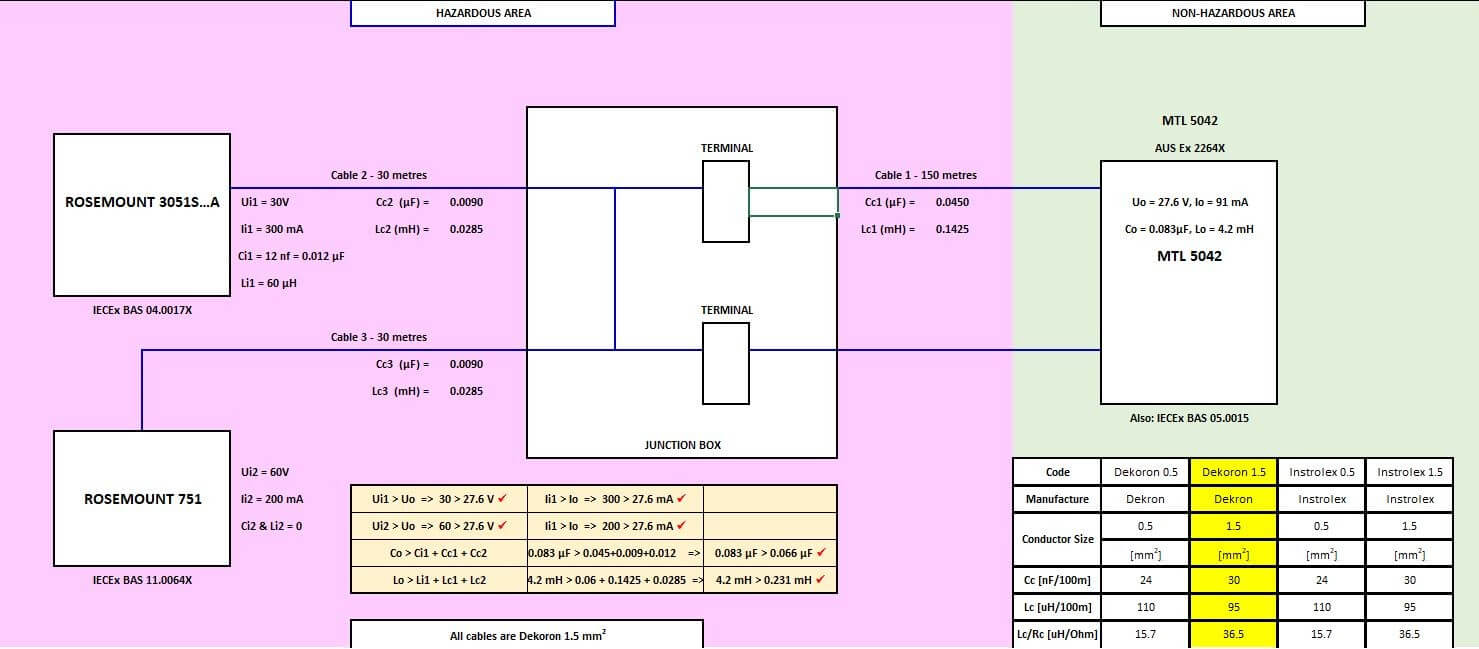
A common form of Intrinsically Safe system is the Entity Concept System (also called an Uncertified System – as the components of the system were not certified as a system or installation, with the compliance of the system relying on favourable Entity Parameter calculations). …

Published: . Read Time: 2 mins.

After some hard work, HAZs Quality Management System has been accredited.  …

Published: . Read Time: 5 mins.

The ignition and sustained combustion of flammable gases and vapour actually requires more than the basic three – Air, Fuel and Ignition Source. Some critical concerns are:

  • Lower Explosion Limit  and Upper Explosion Limit
  • Auto-Ignition Temperatures and Temperature Classifications
  • Minimum Ignition Energy (MIE)
  • Limiting Oxygen Concentration (LOC)
  • Critical Parameters
  • Mists
…

Published: . Read Time: 5 min.

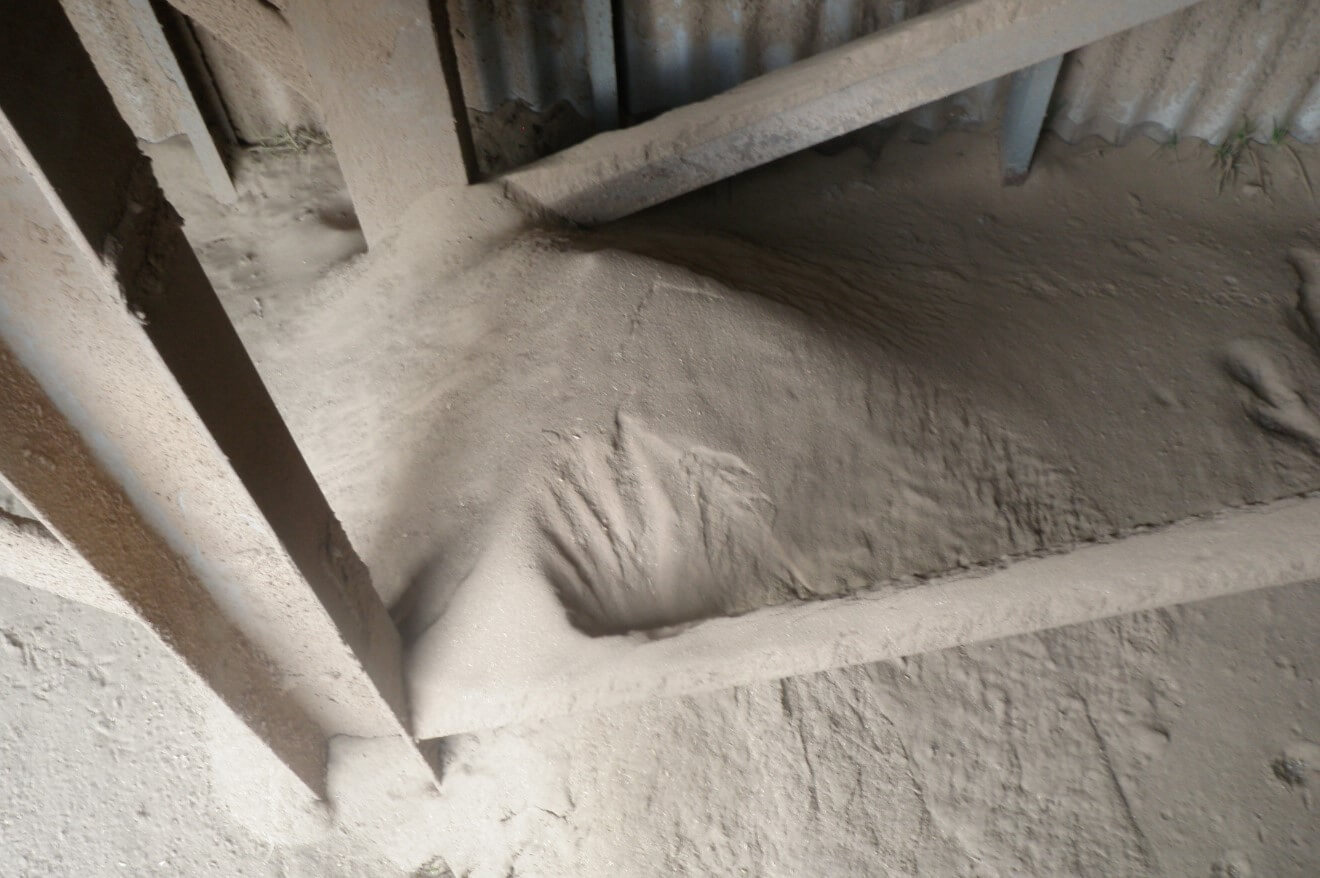
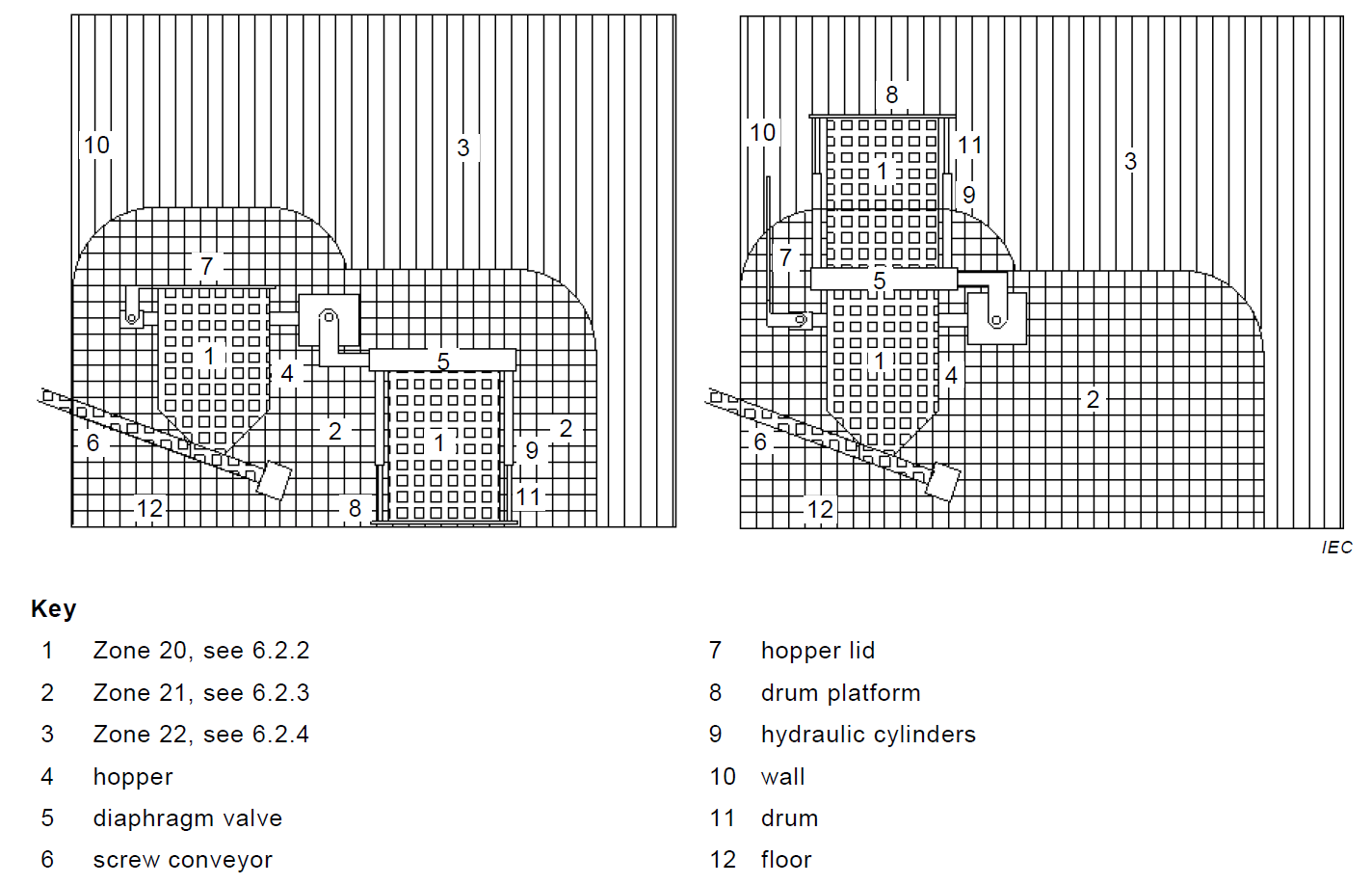
Unlike Gas or Vapour flammable hazards which only present airborne hazards, with Combustible Dust hazards, both the formation of a cloud in air of the material, and the formation of a layer on a hot surface of the material must be considered. …

Published: . Read Time: 5 Mins.

The maximum surface temperature of electrical or mechanical apparatus must always be lower than the ignition temperature of the surrounding explosive atmosphere. …

Published: . Read Time: 5 mins.

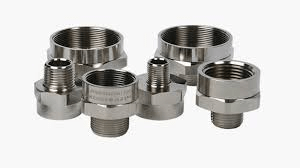
Adapters are used when the thread size and form of a threaded entry in an enclosure does not match the thread size and form of the gland which is being used for the cable. …

Published: . Read Time: 5 mins.

Basically, a Component is a certified piece of Explosion Protected Electrical Equipment which cannot be used on its own but must be used in conjunction with other Ex Components and Ex Equipment to comprise an entire Equipment.

In a practical sense, these are certified enclosures which are EMPTY of components. In order to use a Component (“U” certified) enclosure with specific contents, there are several options that can be taken. …

Published: . Read Time: 5 mins.

Hazardous area classification drawings alone will not provide answers to all questions. The report complete with the Source of Release Table are also vital tools which demonstrate what hazardous areas exist, why they exist and how far they extend. Example of a poor classification – a list of hazardous zones in a table like the source of release table example above, with no further evidence to clarify or substantiate any claims …

Published: . Read Time: 5 mins.

Hazardous area classification drawings alone will not provide answers to all questions. The report complete with the Source of Release Table are also vital tools which demonstrate what hazardous areas exist, why they exist and how far they extend. Example of a poor classification – a list of hazardous zones in a table like the source of release table example above, with no further evidence to clarify or substantiate any claims.   …

Published: . Read Time: 5 mins.

Simple Apparatus is a device (apparatus) which is a passive component such as switches, junction boxes, resistors, simple semiconductors, or simple circuits containing capacitors or inductors with well defined and low level of stored energy or components such as thermocouples which do not generate more than 1.5 V, 100 mA and 25 mW. …

Published: . Read Time: 5 mins.

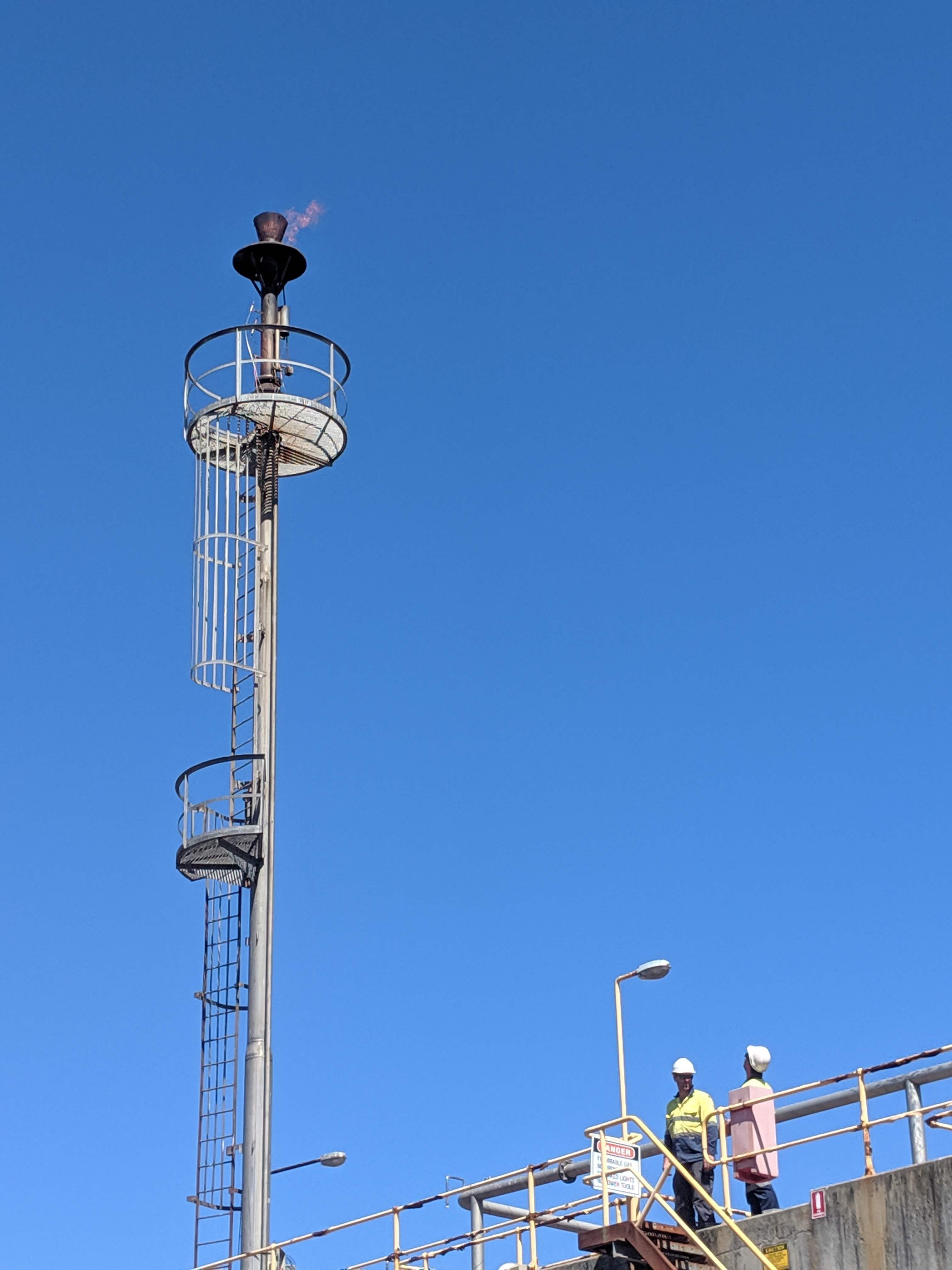
The flare system is the last line of defence and, when out of commission, can cause the shutdown of the entire facility or the potential dangerous failure of the facility. …

Published: . Read Time: 5 mins.

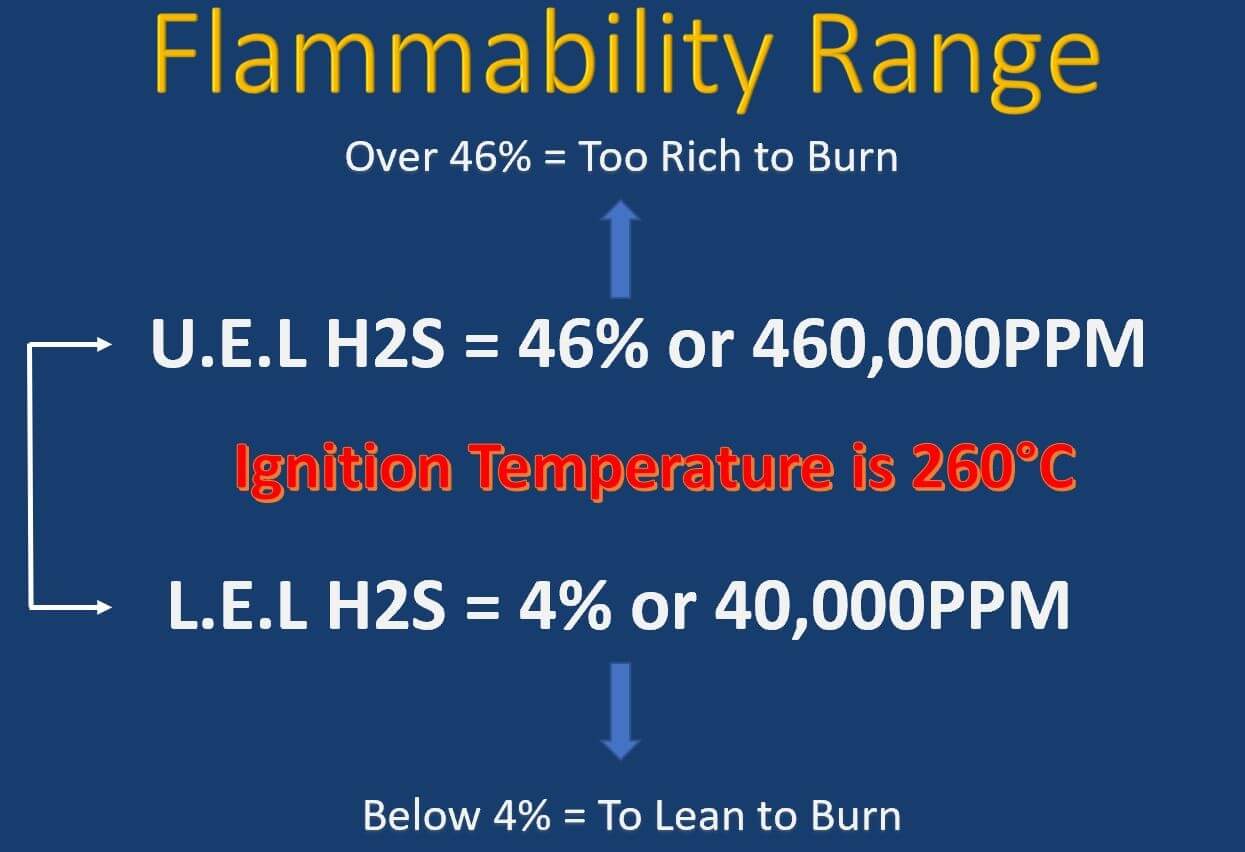
Hydrogen Sulphide or Hydrogen Sulfide (H2S) may be present in various concentrations in crude oil, natural gas and Bio Gas. An understanding of its effects is necessary since H2S is a toxic, flammable and corrosive substance. It is a colourless gas with the characteristic, foul odour of “rotten eggs”. Its main danger is its toxicity – damaging the lungs irreparably at higher concentrations. …

Published: . Read Time: 5 mins.

In Australia, the standard AS/NZS 60079.14 Electrical equipment for explosive requires all equipment used in hazardous areas to be certified in accordance with either the Australian/New Zealand or the International Electrotechnical Commission schemes (AUSEx, ANZEx or IECEx). …

Published: . Read Time: 10 min.

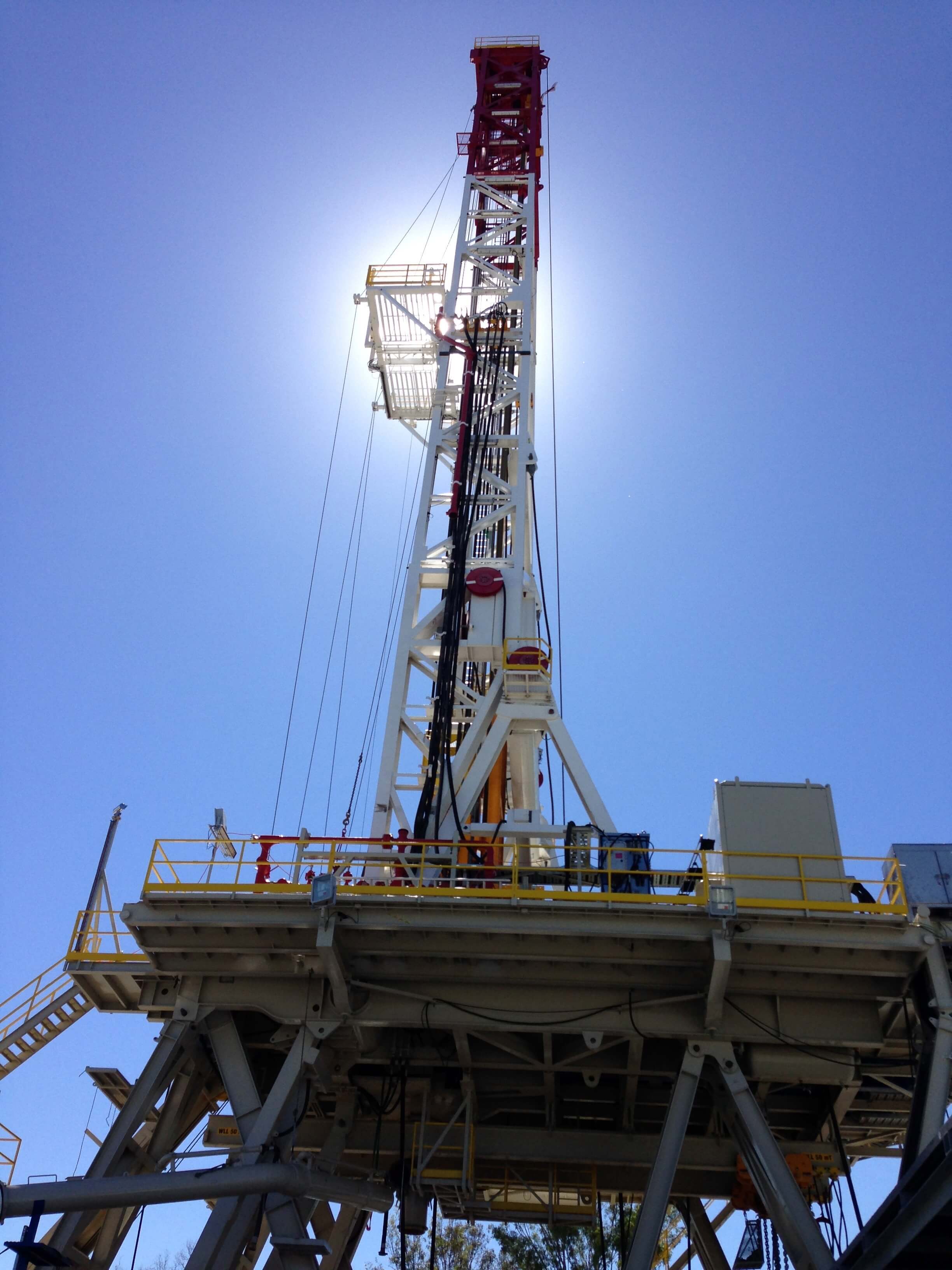
AS/NZS 60079.10.1 provides no particular guidance nor examples on how a gas drilling rig should be classified. The following examples from API RP 505 are generally used when classifying such an installation. …