Contents of a Hazardous Area Classification Report - Gas/Vapours
Published
Read Time: 5 mins
Flammable Gases and Vapours - What is a Hazardous Area?
Referring to AS/NZS 60079.10.1 “Classification of Areas –
Explosive Gas Mixtures” and AS/NZS 60079.10.2 Classification of Areas – Explosive Dust Atmospheres” – an explosive atmosphere can be
defined collectively as:
“A mixture with air, under atmospheric conditions, of flammable substances in the form of gas, vapour, dust, fibres, or flyings which, after ignition, permits self-sustaining propagation.”
EI-15 (4th Edition) 2015 - Model Code of Safe Practice – Area Classification for Installations Handling Flammable Fluids, defines Area Classification as:
“The notional division of a facility into hazardous areas and non-hazardous areas, and the subdivision of hazardous areas into zones.”
Why do we Perform Area Classifications?
It is important to delineate the levels and types of risks within a given hazardous area, and to determine the appropriate Equipment Group and Temperature Classification in a given area. This process is defined as Hazardous Area Classification. This then allows the correct selection of equipment (in terms of protection technique, Group and Temperature Classification) for a given hazardous area.
Types of Hazardous Zones – Flammable Gases and Vapours
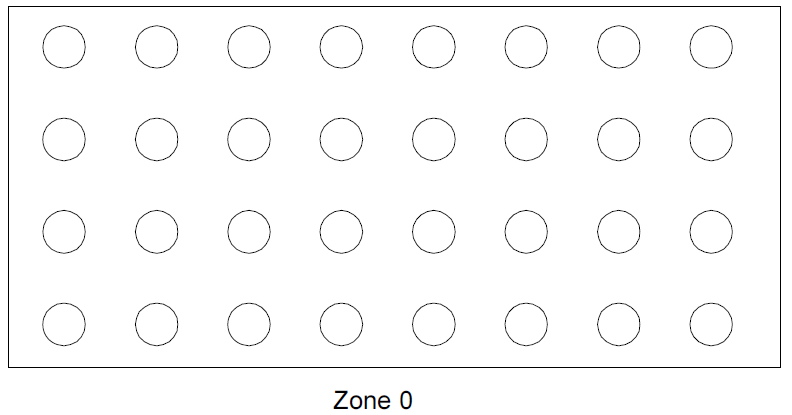
Zone 0 - May be due to a continuous or frequent release of flammables/combustibles
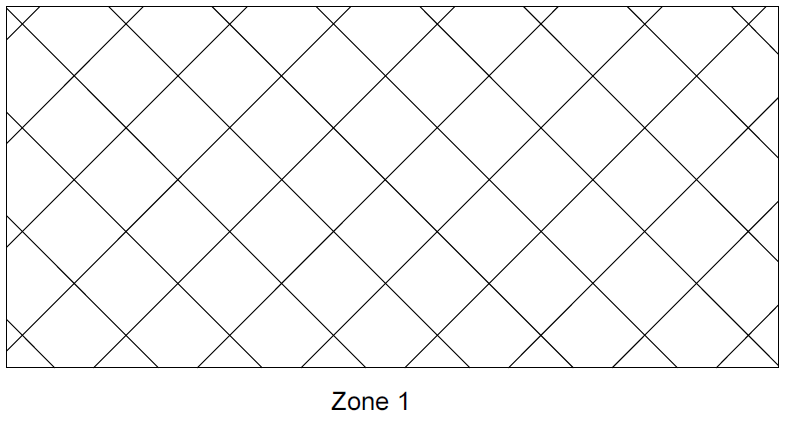
Zone 1 - May be due to occasional releases of flammables/combustibles due to normal operation
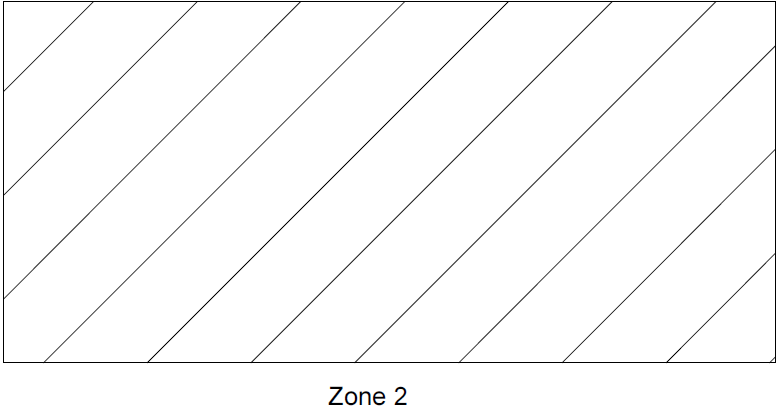
Zone 2 - May be due to infrequent releases of flammables/combustibles not likely to occur during normal operation
Electrical legalisation in all states refers to AS/NZS 3000 Electrical Installations “Wiring Rules”. Within this mandatory standard, hazardous area requirements can be found in Section 7.7 “Hazardous Areas”, with “Classification of Hazardous Areas” in subsection 7.7.2. The responsibility for classification of a hazardous area rests with the persons or parties in control of the installation.
Zone Examples:
What should be in an Area Classification Report
When we arrive on site to perform an inspection, we will ask to see the Area Classification Report and Area Classification Drawings. This will indicate what types of hazardous areas exist and what their extent is, as well indicating relevant Group and Temperature Classification for the flammables or combustibles being processed. Within AS/NZS 60079.10.1 there is a procedure outlined in Section 5, which contains the following sections.
- 5.1 General: A description of the site, site owner, hazards on site and scope of works.
- 5.2 Sources of release: Describe in general what these are list those types probably on site.
- 5.3 Type of zone: Describe in general what types of Zones may form from different sources of release.
- 5.4 Extent of zone: Extent of Zones from various sources of release with reference to Annex ZA.
- 5.4.1 Release rate of gas or vapour: The rate of release from vents or overpressure valves which will evolve specific Zone types and Extents – reference Annex ZA.
- 5.4.2 Lower explosive limit (LEL): The LEL for all flammable gases and vapours on site. There could be more than one on site – e.g.; Methane, Ammonia and Hydrogen are often found in the same plant.
- 5.4.3 Ventilation: Discuss what is meant by DEGREE of ventilation (High, Medium and Low) as well as AVAILABILITY of ventilation (Good, Fair, Poor) and define the Degree and Availability of Ventilation at this site. Also – whether the ventilation is Adequate of Inadequate, in accordance with Table ZA.1 “Ventilation Criteria”.
-
5.4.4 Relative density of the gas or vapour when it is released:
- These are listed in AS/NZS 60079.20.1 in the Tables at the rear of the standard (if not found there, review an SDS for this substance):
- Relative Densities of much greater than 1 indicate that the gases or vapours will tend to stay at ground level.
- Relative Densities of much less than 1 indicate that the gases or vapours will tend to disperse and not sink to the ground.
- Relative Densities ranging from 0.8 to 1.2 are often considered to be “Neutrally Buoyant”, These gases or vapours will tend to persist around the source of release and not dissipate without adequate ventilation.
-
5.4.5 Other parameters to be considered:
- Climatic conditions: The maximum ambient temperature for a site is a critical design parameter when specifying equipment for such a site.
- Topography: This will provide a means of determining whether the ventilation is adequate or inadequate, and the potential for any solar heating of the equipment (“insolation”).
- 5.4.6 Illustrative examples: Mechanical General Arrangement drawings are very useful when determining the size and interrelation of hazardous areas formed from the various sources of release on the vessels.
- 5.4.7 Generalized methods (refer to Annex ZA): The example solutions in Annex ZA of AS/NZS 60079.10.1 provide general, conservative solutions for a number of release types and situations.
- 5.4.8 Combination of source of release (Annex ZA) and generalized methods (Annex ZB): This may be used for large plant (LNG refinery for example). Particular plant items can be considered separately (Annex ZA) but a large plant on a single concrete slab with several stories can be considered using Annex ZB (with assistance from API RP 505 – which is a Normative (mandatory) Reference within AS/NZS 60079.10.1.
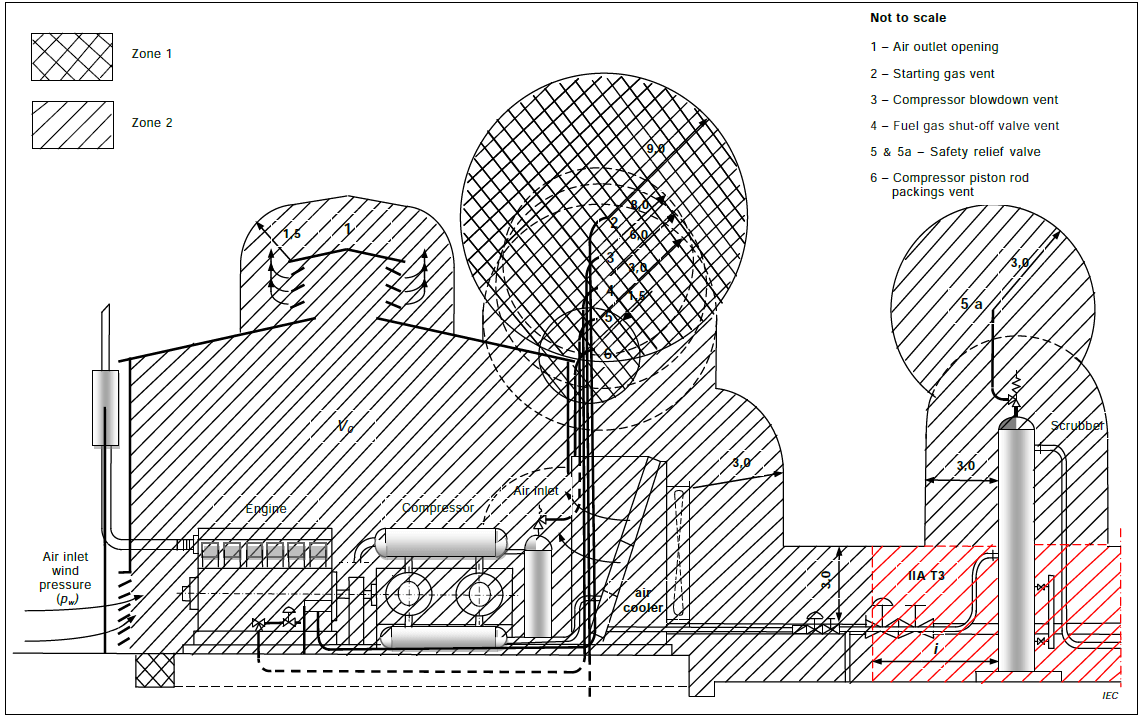
Logically, each of the above mentioned sections would form a basis of the area classification report. A summary section after the report in an Annex to the report is usually added as well, this being the Source of Release Table which covers all items required. From this, the Area Classification Drawing can be created. See Figures 1 and 2.
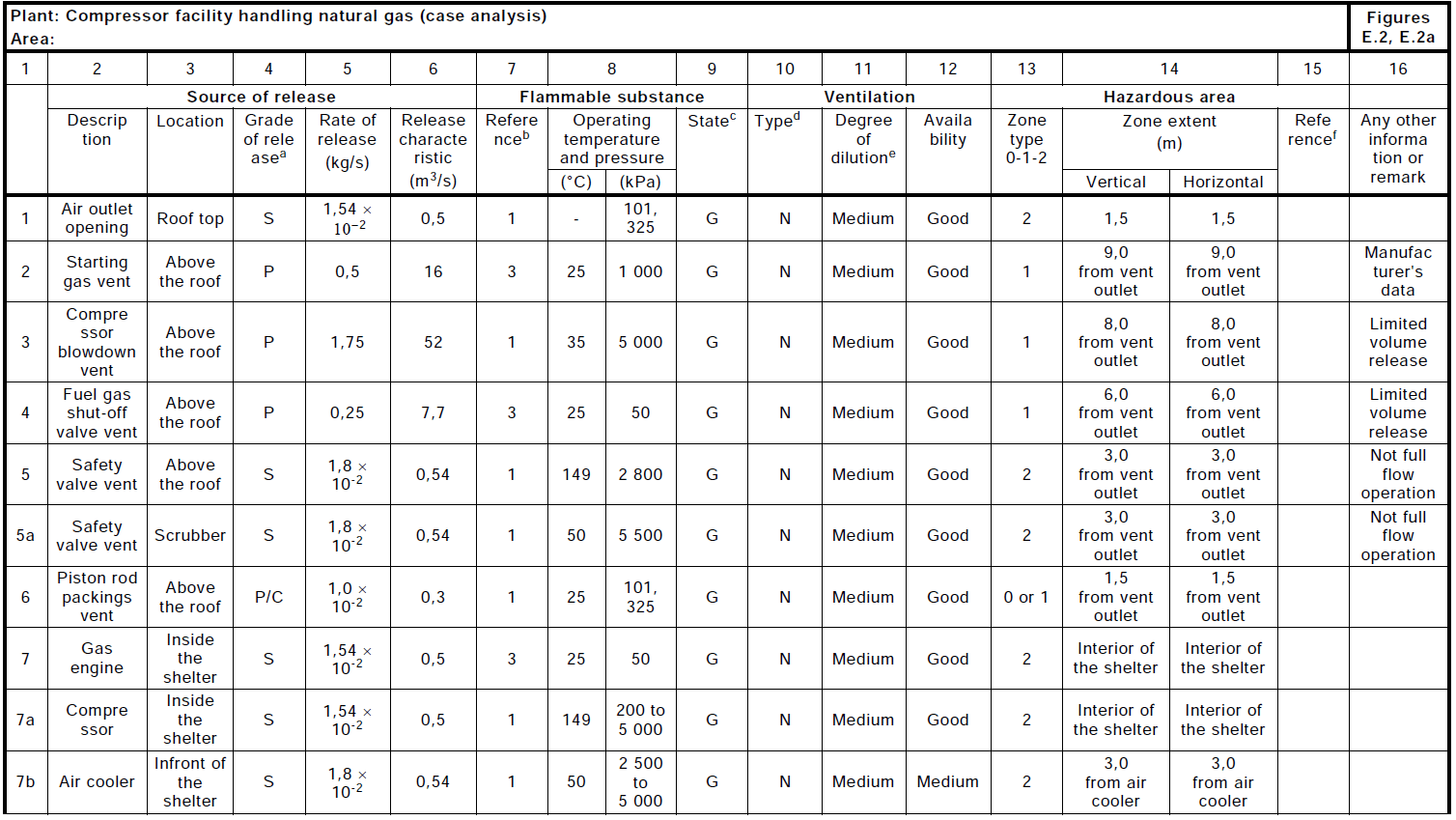
Figure 1 - Source of Release Table Example
In addition to the above, AS/NZS 60079.14 Section 4.2 Documentation contains the same information although presented in a different way, YET this time you will see that it clearly states Areas Classification Documents WITH plans – otherwise known as Area Classification Drawings. See example below:
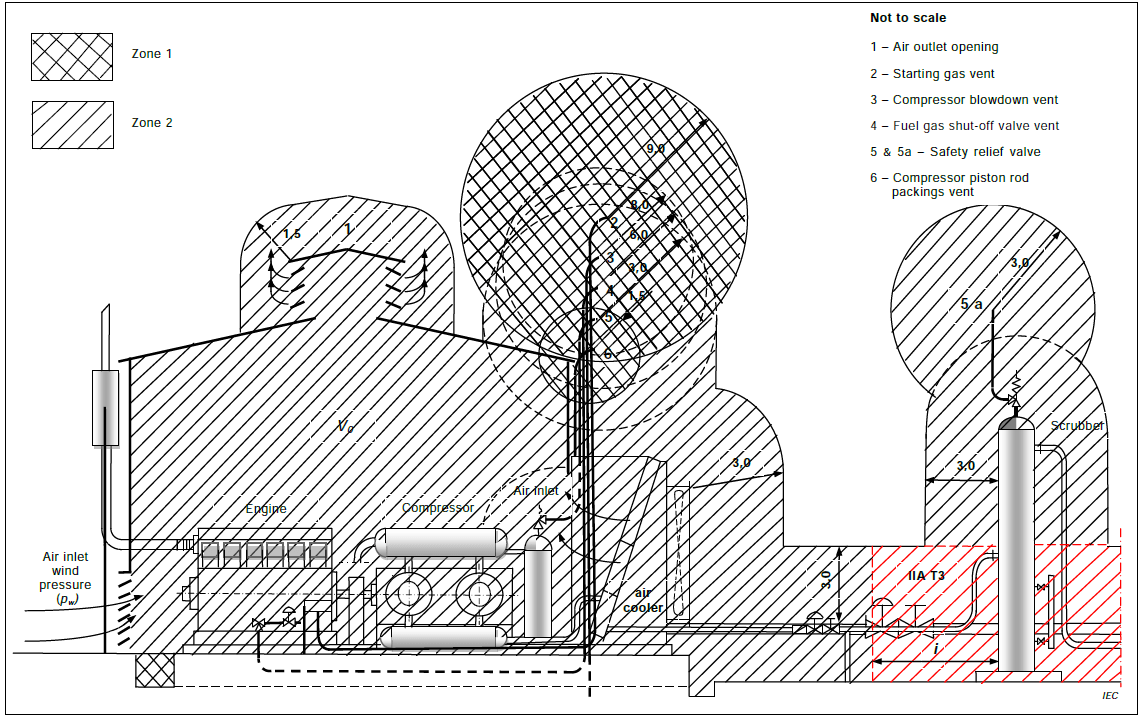
Figure 2 - Area Classification Drawing Example
The requirement for the above two items, the Source of Release Table and the Area Classification Drawing is listed within AS/NZS 60079.10.1:
- area classification documents with plans showing the classification and extent of the hazardous areas including the zoning
- optional assessment of consequences of ignition (basically, a risk assessment)
- external influences and ambient temperature at the site.
- gas or vapour classification in relation to the group or subgroup of the electrical equipment (e.g., IIA, IIB, IIC);
- temperature class or ignition temperature of the gas or vapour involved(e.g.: T1, T3, T6 and 500C, or 270C);
- a list of the properties of the flammable gases/vapours found on site in a separate table from the Source of Release Table. These are often found on the Stream Tables for the plant chemical processes. Such a Table should be compiled before the classification process starts.
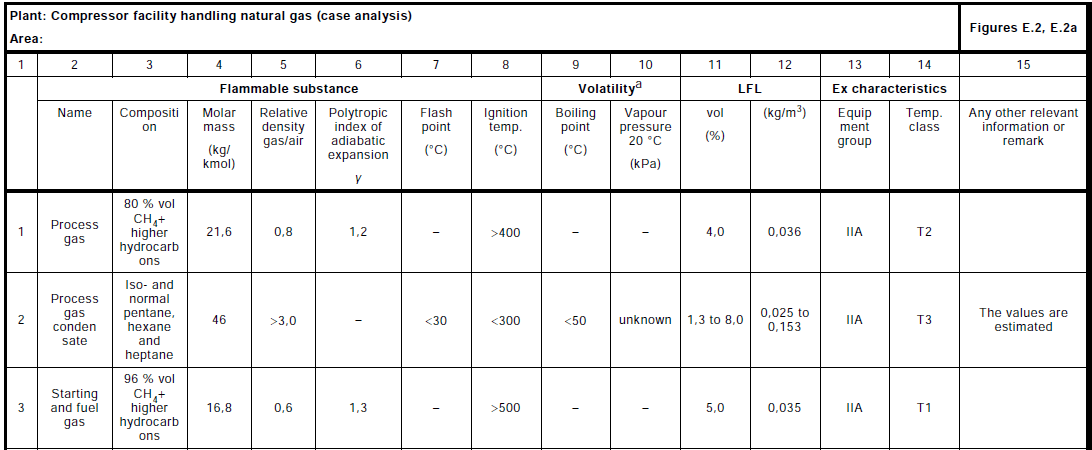
Figure 3 - Properties of Flammable Substances
The above requirements represent the MINIMUM requirements for a hazardous area classification study.
As the person responsible for site
Whether you are looking at having your site area classified for the first time or looking at reviewing the original classification, this may be done “in house” (with someone who has the correct competencies and requisite experience over multiple sites and years) or you can outsource this work. Either way you have to own the need for area classification and enforce the outcomes. By following the above guidelines, you will be able to answer any questions relating to the flammability hazards of the site – for example: “why is that a hazardous area”, or “why this equipment is installed here” or “what standard was used”.
Hazardous area classification drawings alone will not provide answers to all questions. The report complete with the Source of Release Table are also vital tools which demonstrate what hazardous areas exist, why they exist and how far they extend. Example of a poor classification – a list of hazardous zones in a table like the source of release table example above, with no further evidence to clarify or substantiate any claims. hecklist when engaging a hazardous area classifier
- What standard or standards will be applied and at what versions – always insist on the latest version. In Australia, AS/NZS 60079.10.1 is the starting point for any hazardous area classification. Other standards are referred to in this document and may be applicable in certain situations.
- What are the deliverables? Ensure that all the above elements discussed above are included in the report, and that you receive a hazardous area classification report.
- No one can complete an accurate Classification Report without at least one site visit, and probably at least two. Ensure that this is in the Proposal of Works. This is not a desk top exercise.
- Always feel free to disagree with the results. After all, its your plant and you might know more about its operation than the classifier.
- Be prepared to offer the following documents to ensure that your classification is completed in the least time possible:
- All P & IDs (Piping and Instrumentation Diagrams)
- All PFDs (Process Flow Diagrams)
- All Stream Tables (which should relate to marking son the PFDs.
- Mechanical Arrangement drawings of the plant – level by level – with elevation and plant views
- Mechanical General Arrangement drawings of each process vessel, which details all inlets and outlets (listed in a legend on the drawing).
- SDS (Safety Data Sheets) for all products used within the plant and created by the plant.
- Bureau of Meteorology “Rose Charts” showing year round wind velocity and direction (and any allied charts of wind flow and temperature over one year for the site concerned).
This material is produced by HAZ. The information is of a general nature only and should not be relied upon. Each set of
circumstances associated with compliance of hazardous
areas and Type
B compliance
is unique and expert advice on your particular circumstances should be sought. HAZ accepts no liability for any reliance on the
information published on this website.