When to use a Compound (Barrier) Gland
Published
Read Time: 10mins
What is a Compound Gland?
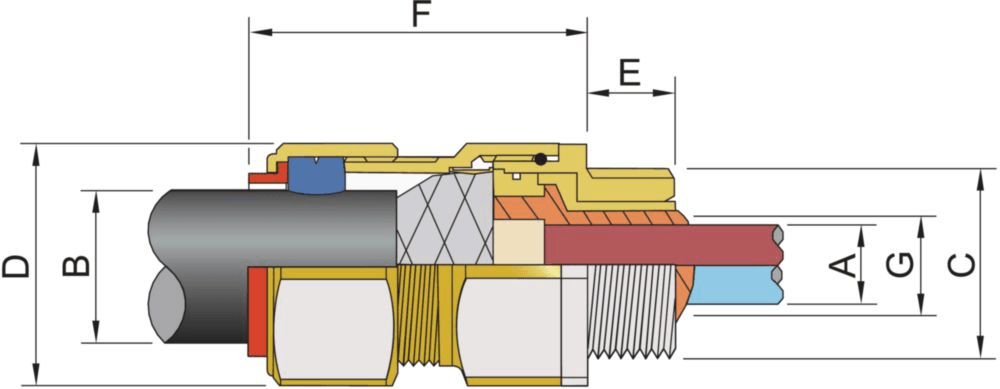
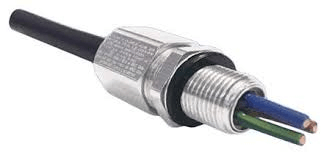
Compound or Barrier Glands are the same thing. These are used to prevent the migration of flammable gases or vapours from one enclosure to the cable or one enclosure to another.
AS/NZS 60079.14:2017 Requirements for Compound Glands
The current version of AS/NZS 60079.14 (2017) does not include the flowchart which the 2009 version of the standard had. However, the current standard states as follows:
10.6.2 Selection of Cable Glands
The cable entry system shall comply with one of the following:
Cable glands sealed with setting compound (barrier cable glands) in compliance with AS/NZS 60079-1 and certified as equipment; or
Cables and glands meeting all of the following:
cable glands comply with AS/NZS 60079-1 and are certified as equipment
cables used comply with 9.3.2(a) (see after)
the connected cable is at least 3 m in length;
indirect cable entry using combination of flameproof enclosure with a bushing and increased safety terminal box;
mineral-insulated metal-sheathed cable with or without plastic outer covering with appropriate flameproof cable gland complying with AS/NZS 60079-1;
flameproof sealing device (for example a sealing chamber) specified in the equipment documentation or complying with AS/NZS 60079-1 and employing a cable gland appropriate to the cables used. The sealing device shall incorporate compound or other appropriate seals which permit stopping around individual cores. The sealing device shall be fitted at the point of entry of cables to the equipment.
NOTE 1 The minimum length of cable is to minimize the potential for flame transmission through the cable (see also Annex E);
NOTE 2 If the cable gland and actual cable are certified as a part of the equipment (enclosures) then compliance to 10.6.2 is not necessary
9.3.2 Selection of Cable Glands
Cables used for fixed installations in hazardous areas shall be appropriate for the ambient conditions in service. Cables shall be:
sheathed with thermoplastic, thermosetting, or elastomeric material. They shall be circular and compact. Any bedding or sheath shall be extruded. Fillers, if any, shall be non-hygroscopic (do not have an affinity with water); or
mineral insulated metal sheathed; or
special, e.g. flat cables with appropriate cable glands. They shall be compact and any bedding or sheath shall be extruded. Fillers, if any, shall be non-hygroscopic.
Where there is a likelihood that gas or vapour migration may occur through the interstices between individual cores of a cable, and the cable leads to a non-hazardous area or between different zones, then the construction and application of the cable shall be taken into account. Appropriate control measures to mitigate this condition shall be considered. See Annex E (of the standard).
Where there is a likelihood that propagation of flames may occur through the interstices between individual cores of a cable, this shall also be considered.
What Does it all Mean?
Using a barrier or compound gland is never wrong. But it may not be the most economical solution.
9.3.2 Cables for fixed installations
The cable entry system shall comply with one of the following:
Cable glands sealed with setting compound (barrier cable glands) in compliance with AS/NZS 60079-1 and certified as equipment;
However, the following is an alternative:
Cables and glands meeting all of the following:
- cable glands comply with AS/NZS 60079-1 and are certified as equipment (COMPRESSION GLANDS)
- cables used comply with 9.3.2(a) (see after)
- the connected cable is at least 3 m in length;
and 9.3.2 (a) states:
Cables used for fixed installations in hazardous areas shall be appropriate for the ambient conditions in service. Cables shall be:
sheathed with thermoplastic, thermosetting, or elastomeric material. They shall be circular and compact. Any bedding or sheath shall be extruded. Fillers, if any, shall be non-hygroscopic (do not have an affinity with water)
The rub with using compression glands is that its often impossible to determine if the cable complies with 9.3.2 (a). Most cables will “breathe” – that is – pass vapours or gases around the strands and packing and can transmit a flame for some considerable length should an ignition occur within a flameproof enclosure (proven at SIMTARS).
So – When can you use a Barrier or Compound Gland?
1. If the site specification states that all glands to and from flameproof equipment are to be barrier glands – fine. This is allowed. See Clause 10.6.2(a). It is an alternative allowed within AS/NZS 60079.14:2017. Or if you want to.
2. When the cable traverses from one Zone to a different Zone – or from one Zone to the Non-Hazardous (“safe) area. Clause 9.3.2 – last paragraph on the page in the standard:
“Where there is a likelihood that gas or vapour migration may occur through the interstices between individual cores of a cable, and the cable leads to a non-hazardous area or between different zones, then the construction and application of the cable shall be taken into account. Appropriate control measures to mitigate this condition shall be considered.”
Basically, a compression gland is not recommended for this purpose, and the only gland you can use is a compound or barrier gland.
3. Where there is a possibility of flame transmission down the cable, as the cable construction is not properly compact or gas tight, then a compression gland cannot be used. Use a compound or barrier gland:
“Where there is a likelihood that propagation of flames may occur through the interstices between individual cores of a cable, this shall also be considered.”
Situation 3 covers Group IIC Gases (Hydrogen and Acetylene). Always used compound or barrier glands for such terminations.
The old Figure 2 Flow Chart from AS/NZS 60079.14:2009 states a number of other scenarios which are no longer stated in the current standard. Reproducing this flowchart here would simply cause confusion with a topic that seems to confuse many.
Most of the other requirements are “get out of jail free” allowing the use of compression glands, in situations like:
- The enclosure volume is less than 2 litres (or 2000cm3)
- If the equipment is installed in Zone 1 and the enclosure has a volume of less than 2 litres
- If the equipment does not contain and internal source of ignition
- If the installation site is not IIC, is installed in Zone 1 and has a volume of less than 2 litres.
However, as most cables available in Australia (and other places) contain air voids of some kind, the following caution from the standard is repeated:
“Where there is a likelihood that gas or vapour migration may occur through the interstices between individual cores of a cable, and the cable leads to a non-hazardous area or between different zones, then the construction and application of the cable shall be taken into account. Appropriate control measures to mitigate this condition shall be considered.”
“Taken into account”. This means a risk analysis to be applied uniformly on for the site when using compression glands, and in the absence of better information, using the dot points above from the 2009 version of the standard for guidance.
This material is produced by HAZ. The information is of a general nature only and should not be relied upon. Each set of
circumstances associated with compliance of hazardous
areas and Type
B compliance
is unique and expert advice on your particular circumstances should be sought. HAZ accepts no liability for any reliance on the
information published on this website.