Type B Vs Hazardous Areas
Published
Read Time: 5 mins
There is sometimes conception when it comes to Type B and hazardous areas and this is dependent on your trade. A Type B Gas fitter will see the device as a Type B device and someone with EEHA qualifications see it as a hazardous area as there is a flammable gas present.
Getting this right is critical not only from a compliance point of view by from a cost perspective.
The definition of a Type B Gas Appliance can be found in AS/NZS 5601.1
1.8.2.2 Type B appliance
An appliance, with gas consumption in excess of 10 MJ/h, for which a certification scheme does not exist (applicable in Australia only).
NOTE: A Type A appliance when used in an industrial/commercial application for which it was not intended is considered to be part of a Type B appliance. An example of this is a certified direct-fired air heater used as the heating/ventilating device in a spray/bake paint booth.
A Type B Gas Device in its own right does not create a hazardous area.
Why is this you ask?
The scope in “AS 3814:2018 – Industrial and commercial gas-fired appliances” sets out the minimum requirements for the design, construction and safe operation of Type B appliances that use any gas, or gases as a gaseous fuel or in any combination or with other fuels to produce flame, heat, light, power or special atmospheres. This standard then refers to the following notes:
Refer to “AS 1375:2013 - Industrial fuel-fired appliances” for additional information regarding safety principles for industrial appliances.
Where an Australian design standard exists for an appliance and is not called up in this Standard, the Original Equipment Manufacturer (OEM) should ensure that the design is in accordance with that standard before installing (if there is no other relevant authority).
Refer to “AS/NZS 5601.1:2013 (+A1, +A2) – Gas installations – Part 1: General Installations” for installation requirements for appliances covered by this Standard.
Sections 3 to 6 of AS/NZS 5601.1 describes a means of compliance for installations designed to operate with a gas supply pressure not exceeding 200 kPa which with the correct approvals certifies the Type B Gas Appliance.
The typical pressures for a Type B gas appliance are < 200 kPa and usually ~7 kPa after the appliance regulator into the appliance.
In addition to this the “Fuel Train” starts from the manual isolation valve upstream of all the fuel train components.
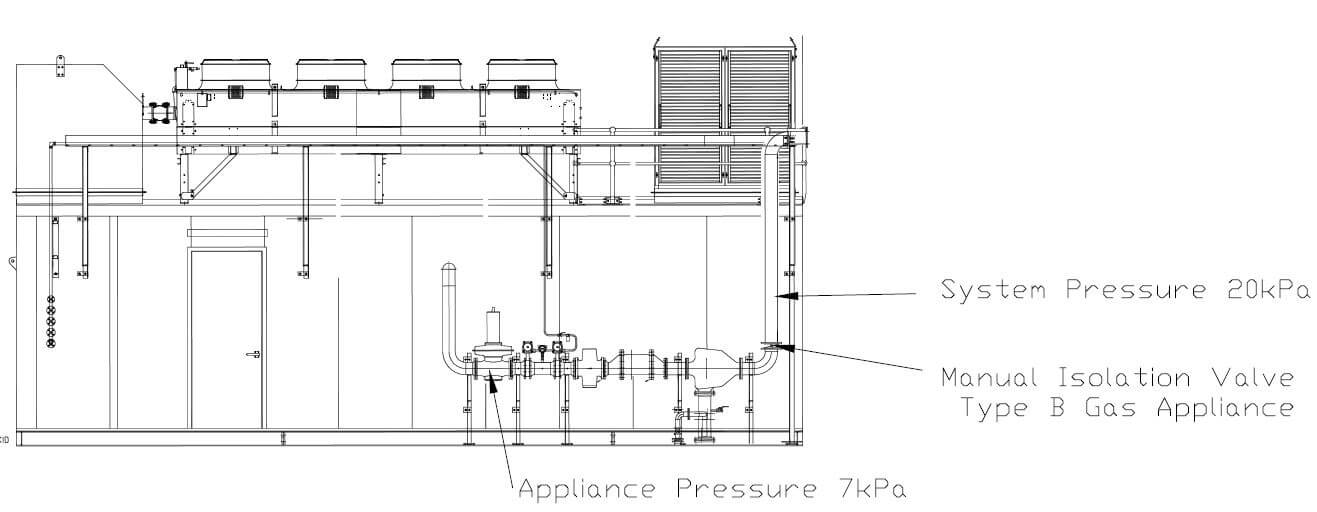
Figure 1 – Stand-alone Type B Gas Engine Package
It should also be noted that in AS/NZS 5601.1 Clause 6.3.5 Proximity of flammable goods or chemicals
An appliance shall not be installed in a location where it may ignite flammable vapours or materials or where chemicals may combine with combustion air and cause corrosion or malfunction of the appliance.
NOTES:
1. Such substances include some cleaning solvents, including those used in dry-cleaning processes.
2. For New Zealand, reference should be made to the Hazardous Substances (Classes 1 to 5 Controls) Regulations 2001 for controls on appliances in hazardous areas.
3. Refer to AS/NZS 60079.10.1 for classification of hazardous areas.
For a Type B Gas Appliance to be compliant the following is a minimum requirement:
- A technical submission (Appendix A of AS 3814)
- A Type B Gas Device Approval Certificate (in QLD this is a S733)
- A Gas System Compliance Certificate (in QLD this is a S734); or
- Operating Plant Certificate (in QLD this is a S697)
Now from a hazardous areas point of view this gas appliance could be seen needed to comply with AS/NZS 60079 series.
If we take a look at AS/NZS 60079.10.1 Annex ZA6 Flammable gases, there is some guidance in this section which states as follows:
Section ZA.6.2.1 - gas industry codes – consumer installation:
This Clause is intended for consumer installations covered—
(a) in Australia, by AS 3814 (AG 501), AS/NZS 5601.1 (AG 601) and AS/NZS 1596[1], which are administered by the relevant authority;
It further states for gas appliances there is an exemption which reads:
NOTE 2 – The exemption for gas appliances and equipment covered by gas industry codes is based on the premise that these codes provide, by equipment design and instructions, an installation that produces a non-hazardous environment. In some instances, particularly for larger industrial equipment, the installer needs to ensure that this premise is justified.
Below 200 kPa, the exemption can be used based on the premise these codes (AS/NZS 5601.1 and AS 3814) provide, by equipment design and instructions, an installation that produces a non hazardous environment. If you are the installer of the equipment, then it is your responsibility to ensure this premise is justified.
Just because pressures are below 200 kPa there is still a probability of a flammable atmosphere being present if there is a leak, therefore the installer should take notice of any ignition source within close vicinity to ensure that AS/NZS 5601 Clause 6.3.5 is met.
Now if there is a known hazardous area and the Type B gas device is to be installed within the zone as per figure 2 then although the gas engine package needs to ensure it complies with the requirements of AS/NZS 5601.1 and AS 3814, in addition it needs to comply with the requirements of AS/NZS 60079 series as NOW its being installed in a hazardous area.
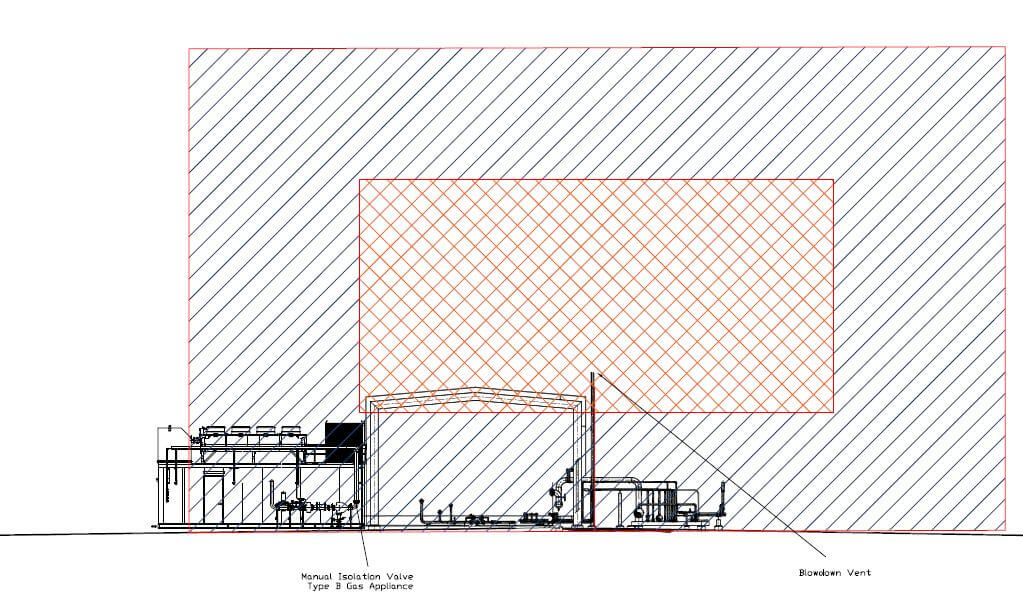
Figure 2 – Hazardous area zone with Gas engine package installed within the zone.
There is guidance within AS/NZS 60079.10.1 ZA.8 Landfill gas, sewage treatment and sewage pumping plants
Whereby
(f) Boilers, sludge heaters, incinerators, gas engines and turbines—Areas around the gas train equipment supplying boilers, sludge heaters, incinerators, gas engines and turbines, provided that the installation complies with gas industry code.............. NH
NOTE – Item (f) recognizes the existence of an airflow for combustion and usually, a permanent source of ignition; therefore, ventilation must be provided to ensure safety.
This would suggest that the equipment mentioned is not being installed in a hazardous area and therefore needs to comply with the gas codes. Additionally, this would apply downstream of the manual isolation valve of the gas appliance and would be dependent on what pressure is entering the first regulator.
[1] “AS/NZS 1596:2014 (+A1) – The storage and handling of LP Gas”
This material is produced by HAZ. The information is of a general nature only and should not be relied upon. Each set of
circumstances associated with compliance of hazardous
areas and Type
B compliance
is unique and expert advice on your particular circumstances should be sought. HAZ accepts no liability for any reliance on the
information published on this website.